
Selecting Suit Fabrics: Choosing the Perfect Suit Fabric
When you invest in a custom-tailored suit, the fabric you choose defines the entire experience. It affects comfort, style, durability, and how the suit fits your lifestyle. Selecting the right fabric is not just about looks. It’s about feeling confident every time you wear your suit. This guide helps you navigate the options and make an informed choice.
Understanding Fabric Types When Selecting Suit Fabrics
Suit fabrics come in many varieties. Each has unique qualities that suit different occasions, climates, and personal preferences. Knowing the basics helps you pick the perfect one.
Wool: The classic choice. Wool is breathable, durable, and adapts well to temperature changes. It works for year-round wear, especially in Singapore’s tropical climate when you choose lightweight wool.
Cotton: Lightweight and casual. Cotton suits are comfortable but wrinkle easily. Best for informal settings or summer events.
Linen: Extremely breathable and light. Linen suits are perfect for hot weather but wrinkle quickly. Ideal for outdoor weddings or casual business meetings.
Silk: Luxurious and smooth. Silk suits have a natural sheen but require careful maintenance. Great for special occasions.
Blends: Wool blends with synthetic fibers add durability and wrinkle resistance. They offer a balance between comfort and practicality.
Each fabric tells a story. Wool speaks of tradition and versatility. Linen whispers of summer breezes. Cotton offers casual ease. Choose what fits your lifestyle and the occasions you attend.

Wool fabric close-up showing texture and weave
Key Factors in Selecting Suit Fabrics
When selecting suit fabrics, consider these factors carefully:
Climate and Season
Singapore’s tropical climate means high humidity and heat. Lightweight fabrics like tropical wool or linen blends work best. Avoid heavy fabrics that trap heat.
Occasion and Use
For daily professional wear, choose durable, wrinkle-resistant fabrics.
For weddings or formal events, silk or fine wool adds elegance.
For casual or outdoor events, cotton or linen suits keep you comfortable.
Comfort and Fit
Fabric weight affects comfort. Heavier fabrics can feel restrictive. Lightweight fabrics offer more breathability and ease of movement.
Maintenance
Some fabrics require dry cleaning only. Others can be hand washed or machine cleaned. Consider how much time you want to spend caring for your suit.
Appearance and Style
Fabric texture and sheen influence the suit’s look. Matte fabrics give a classic feel. Shiny fabrics stand out and look more formal.
What is the 5 Suit Rule?
The 5 suit rule is a practical guideline for building a versatile wardrobe. It suggests owning five suits that cover different needs and occasions. Here’s how it breaks down:
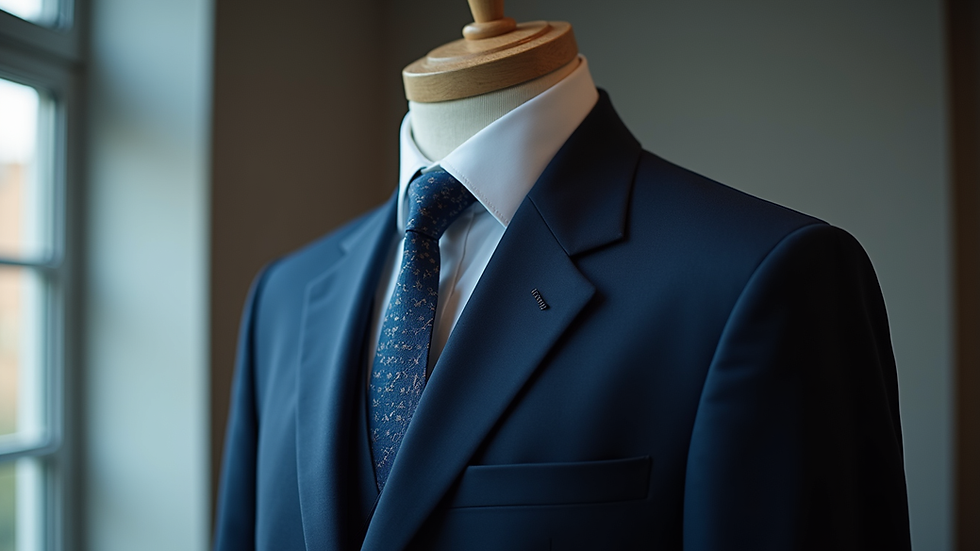
Classic Navy Suit - Your go-to for interviews, meetings, and formal events.
Charcoal Gray Suit - A versatile option for business and evening wear.
Lightweight Summer Suit - Linen or tropical wool for hot weather.
Patterned or Textured Suit - Adds personality for less formal occasions.
Special Occasion Suit - Silk or velvet for weddings and galas.
This rule helps you cover all bases without overloading your closet. Each suit should be made from fabric suited to its purpose. This way, you always look sharp and feel comfortable.

Fabric swatches showing different textures and colors for suits
How to Evaluate Fabric Quality
Quality fabric makes all the difference. Here’s how to assess it:
Feel the fabric: It should feel smooth and substantial, not rough or flimsy.
Check the weave: Tight, even weaves indicate durability.
Look for natural fibers: Wool, cotton, and silk breathe better than synthetics.
Weight matters: Choose fabric weight based on season and comfort.
Color fastness: High-quality fabric holds color well without fading.
When you visit a tailor, ask to see and touch fabric samples. Don’t rush this step. The right fabric feels right.
Practical Tips for Choosing Your Suit Fabric
Match fabric to your lifestyle: If you travel often, pick wrinkle-resistant blends.
Consider layering: Heavier fabrics work well with layers in cooler environments.
Think about color and pattern: Solid colors are versatile. Subtle patterns add interest.
Ask for expert advice: Tailors can guide you based on your needs and preferences.
Test fabric in different lights: Colors can look different indoors and outdoors.
If you want to learn more about how to choose suit fabric, this resource offers detailed insights tailored to your needs.
Final Thoughts on Selecting Suit Fabrics
Choosing the perfect suit fabric is a blend of art and science. It requires understanding your needs, the environment, and the fabric’s properties. The right fabric elevates your suit from ordinary to exceptional. It ensures you look sharp, feel comfortable, and express your style confidently.
Invest time in selecting fabric. It pays off every time you wear your custom-tailored suit. Whether it’s a wedding, business meeting, or special event, your suit fabric sets the tone. Make it count.


Comments